Product Description:
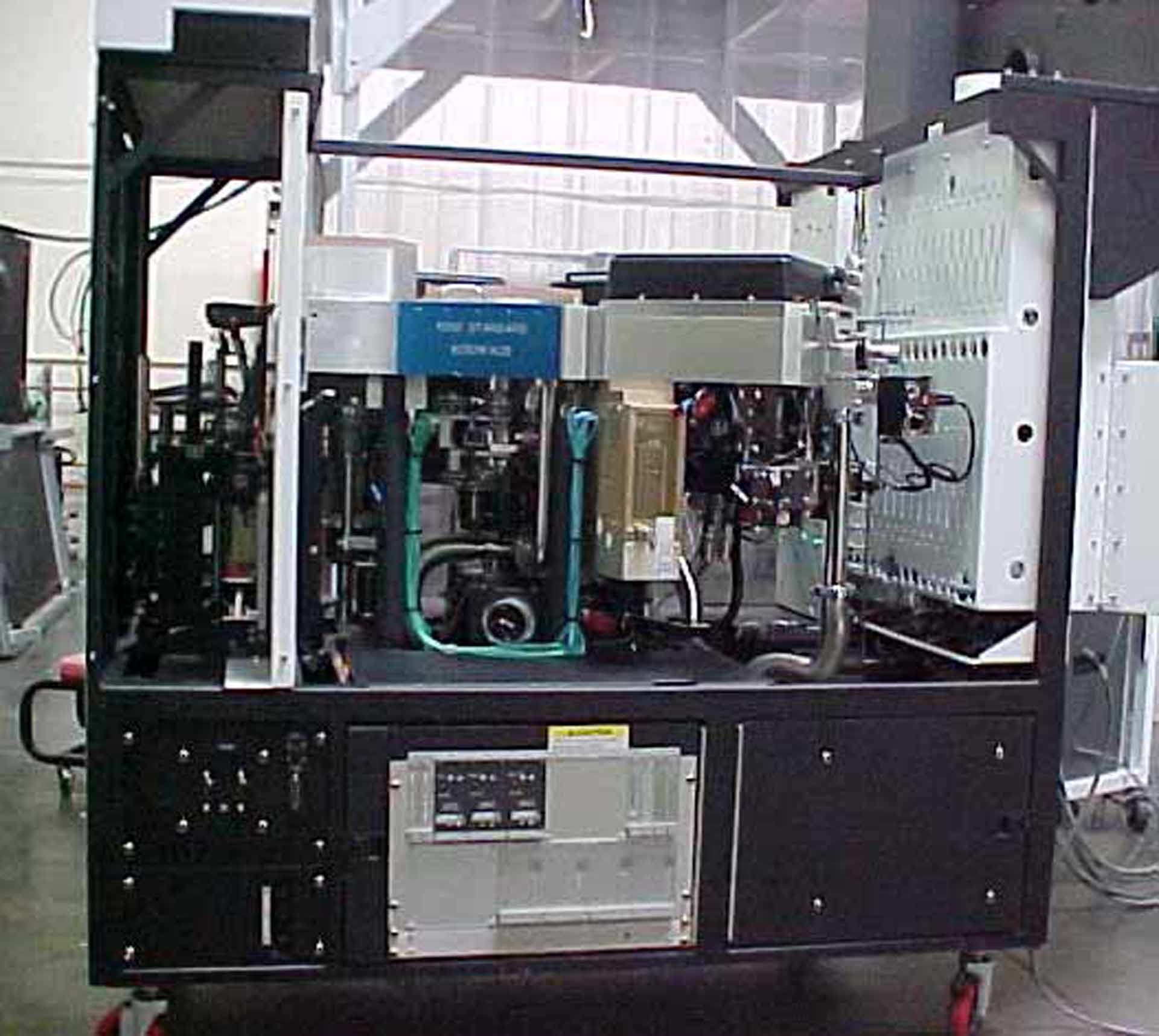
The AMAT/APPLIED MATERIALS P5000 Mark II reactor is a chemical vapor deposition (CVD) device used to manufacture integrated circuit (IC) devices. The AMAT P5000 Mark II is a high-throughput dual-chamber system designed for the mass production of electronic devices. It is commonly used for deposition of chemical vapor deposition (CVD) materials, such as dielectric, conductor, and semiconductor layers. The APPLICED MATERIALS P 5000 MARK II unit is an efficient and reliable CVD device that provides superior substrate uniformity and process throughput. The AMAT/APPLIED MATERIALS P 5000 MARK II reactor consists of two separate chambers, each containing a surface electronic discharge (SED) mechanical element. The component is designed to create a high-energy plasma environment during the manufacturing process while cooling the substrate. Each conference hall has a separate source and target area, making both tasks efficient and time consuming. The adjustable gas management machine also allows the user to determine the deposition rate, composition and uniformity of the material being deposited. In addition, the reaction chamber is lined with graphite to maximize heat transfer and prevent oxidation. The P 5000 MARK II reactor features a powerful turbo-pumped vacuum tool with an adjustable vacuum range that allows the user to perform the process with the best combination of pressure and temperature. During deposition, the asset's twin-turbine vacuum pump can maintain a nominal pressure of around 1 x 10⁻³ Torr. The APPLIED MATERIALS P5000 Mark II also has an automated process control and monitoring model that can be programmed to respond to specific process parameters to optimize process uniformity and efficiency. The AMAT P 5000 MARK II reactor is designed for industrial series production. Its superior performance and flexibility make it an ideal device for cost-effective IC production. The P5000 Mark II also offers a large processing area and a wide range of formulations for different material groups, facilitating system integration. In addition, the device is easy to maintain and operate, and is at the forefront of its class in terms of production and cost effectiveness.